
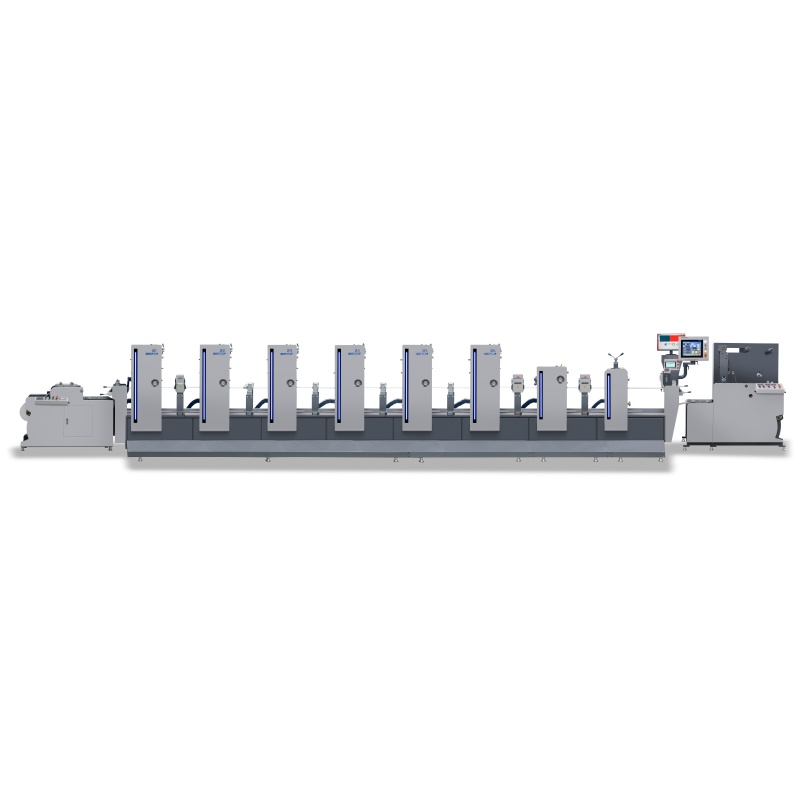
Buying offset printing equipment from China can reduce capital cost and open access to configurations that are difficult to source locally. It can also move engineering, compliance, logistics, and service risk onto the buyer. The right question is not whether a quoted press is cheap; it is whether the machine, documentation, acceptance test, and support model fit the jobs that must be produced at a predictable total cost.
Learn More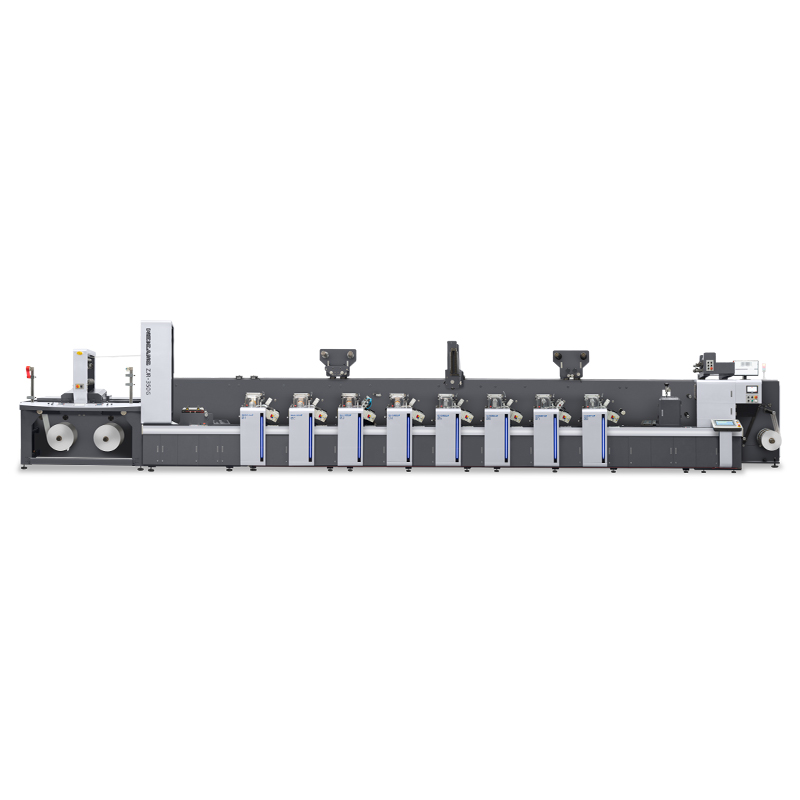
Buying flexographic printing equipment from China can reduce capital cost and open access to highly configurable machines, but the purchase is an engineering project rather than a catalogue transaction. A press that looks attractive on a nameplate can miss your real output target once substrate changes, ink drying, plate mounting, waste, operator training, utilities, and service response are included. This guide explains the decisions a procurement team should make before selecting a Chinese supplier, and it uses the focus keyphrase buying flexographic printing equipment from China in the title and introduction.
Learn More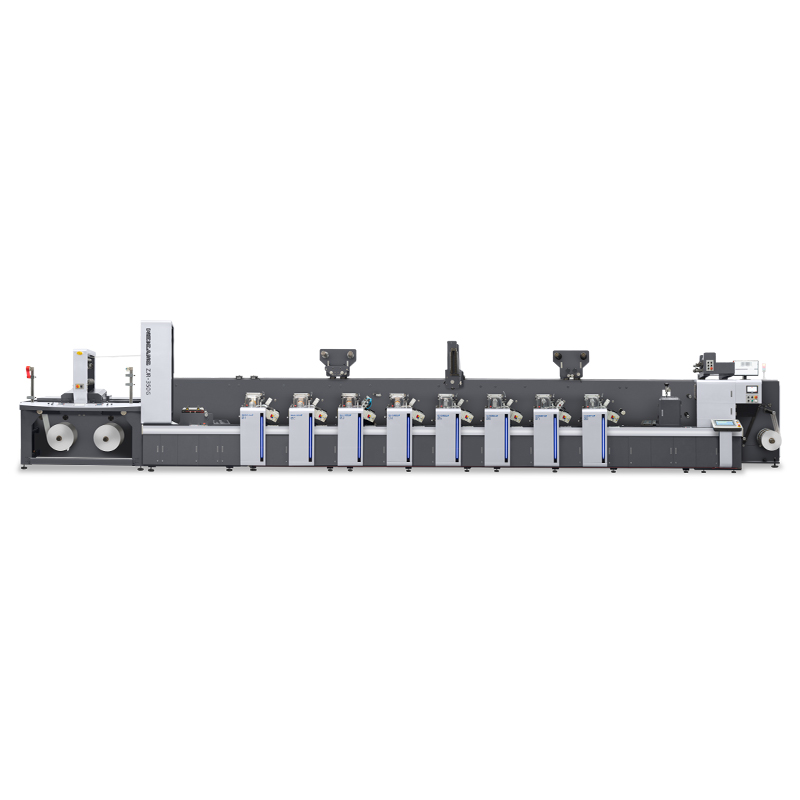
Buying flexographic printing equipment from China can make sense when a converter needs a configured press, competitive capital cost, and access to a broad manufacturing base. The risk is treating a quotation as if it were a production solution. A press that reaches a brochure speed on a supplier's film may not hold register on your laminate, dry your ink at the required coverage, or recover quickly when a servo drive fails. The purchase decision therefore has to connect machine architecture, materials, proof, compliance, service, and total cost of ownership.
Learn More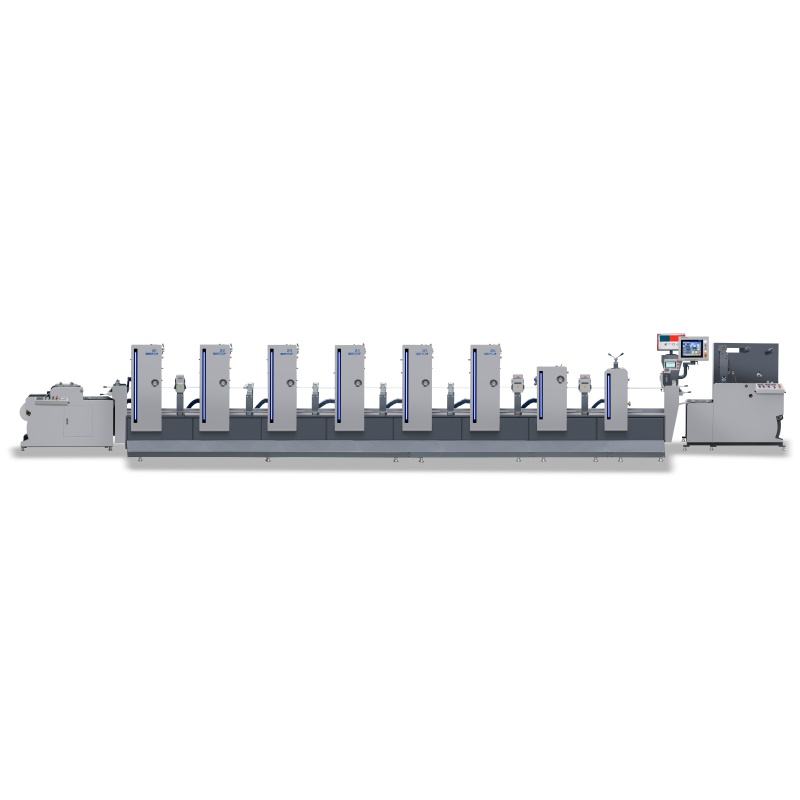
Buying an offset printing machine for labels is a process decision, not a search for the highest advertised speed. The right press must hold colour and register on the label construction you actually sell, change repeats without excessive waste, cure or protect the ink for the next converting step, and remain supportable in the destination country. This guide uses the exact buyer phrase offset printing machine for labels because procurement teams need to connect press architecture to quality, uptime, compliance, and total cost.
Learn More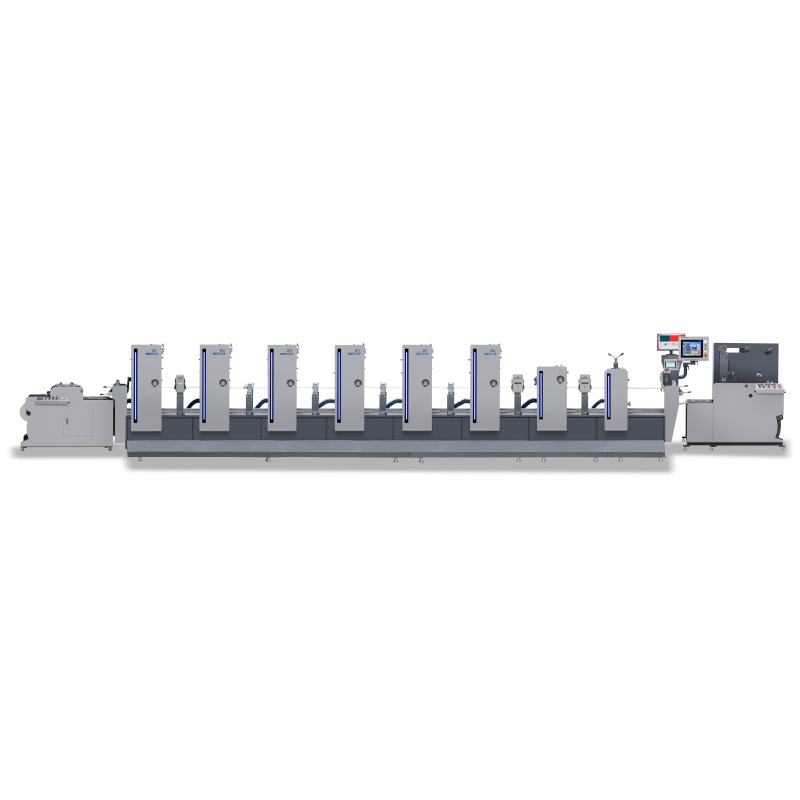
Choosing an offset printing machine for label printing is a process decision, not a search for the highest advertised speed.
Learn More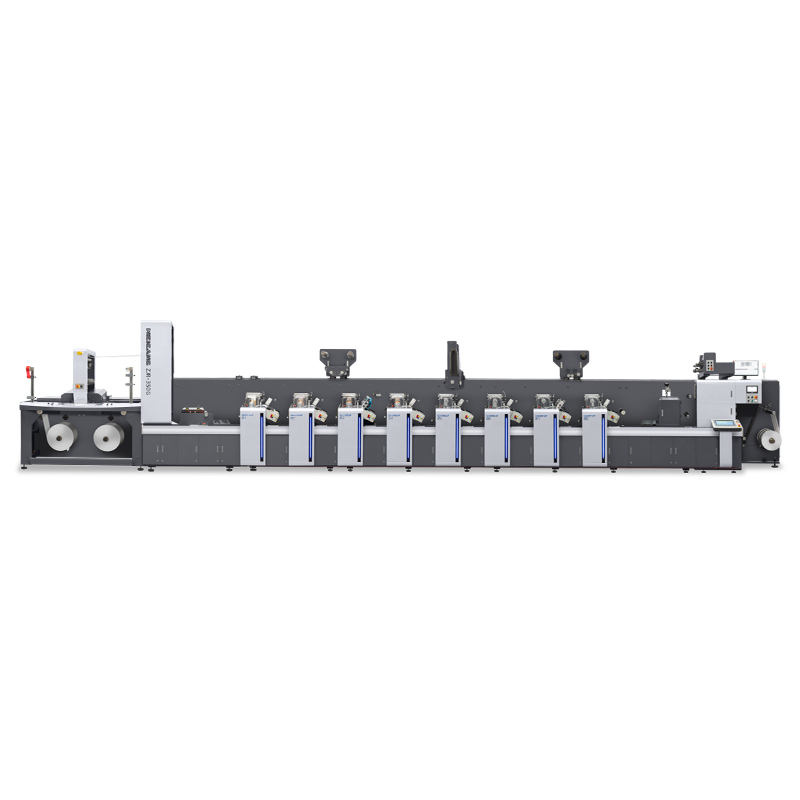
Buying flexographic printing equipment from China can widen the choice of web widths, automation levels, inline converting options, and price points. It can also transfer more specification, integration, and acceptance work to the buyer.
Learn More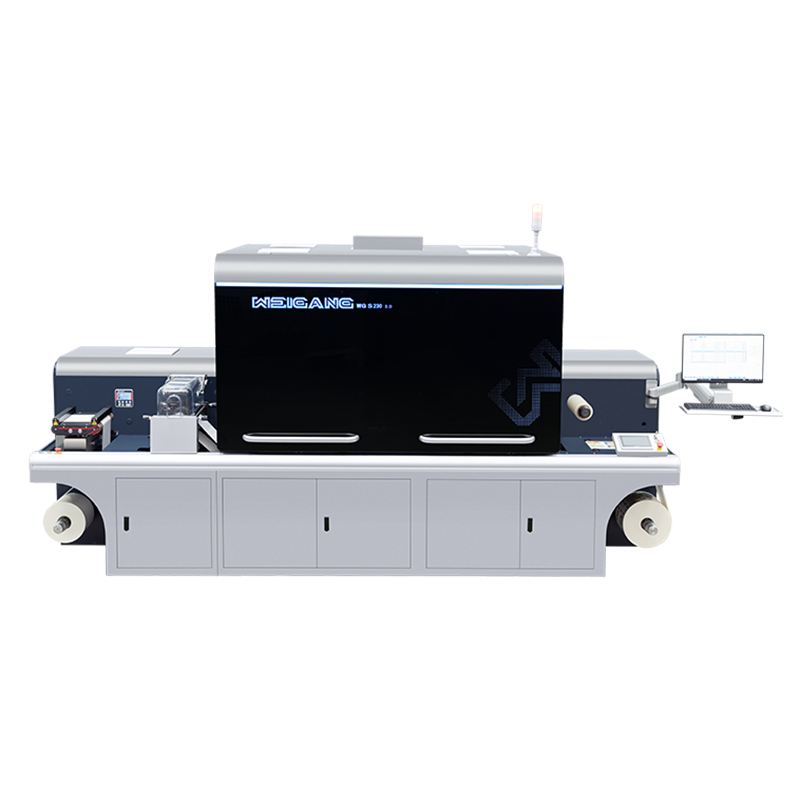
Short-run and variable-data label work can make a digital press look attractive on a spreadsheet, but reliability is a production-system decision. A machine that prints a beautiful sample yet loses time on substrate changes, ink maintenance, web breaks, or finishing hand-offs can raise cost per saleable label. This guide uses the exact buyer phrase reliable digital printing presses because procurement teams need a way to connect press architecture to uptime, quality, compliance, and service evidence.
Learn More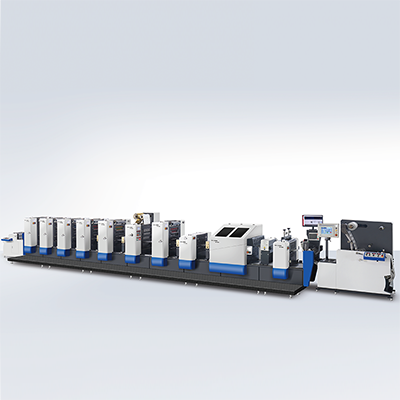
Buying offset printing equipment from China can reduce capital cost and open access to configurable machines, but the purchase only works when the specification, proof, compliance file, and service plan are treated as one system. This guide is for procurement managers, print engineers, packaging printers, and converters comparing Chinese suppliers for sheet-fed or label offset work. The exact phrase offset printing equipment from China appears here because it is the buyer's decision, not a marketing label.
Learn More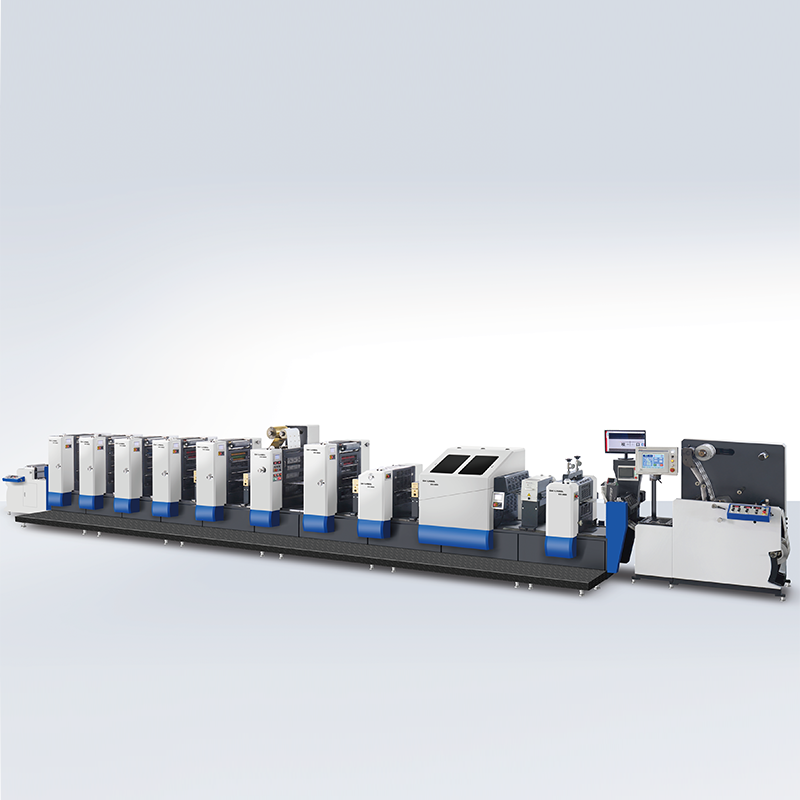
Buying offset printing equipment in China is a production-design decision before it is a supplier-selection decision. The same request for a "four-colour offset press" can describe a small sheetfed machine for forms, a large-format press for folding cartons, a heatset web line for long runs, or a narrow-web label press with inline finishing. Those systems have different substrates, units of speed, utilities, service profiles, and acceptance risks.
Learn More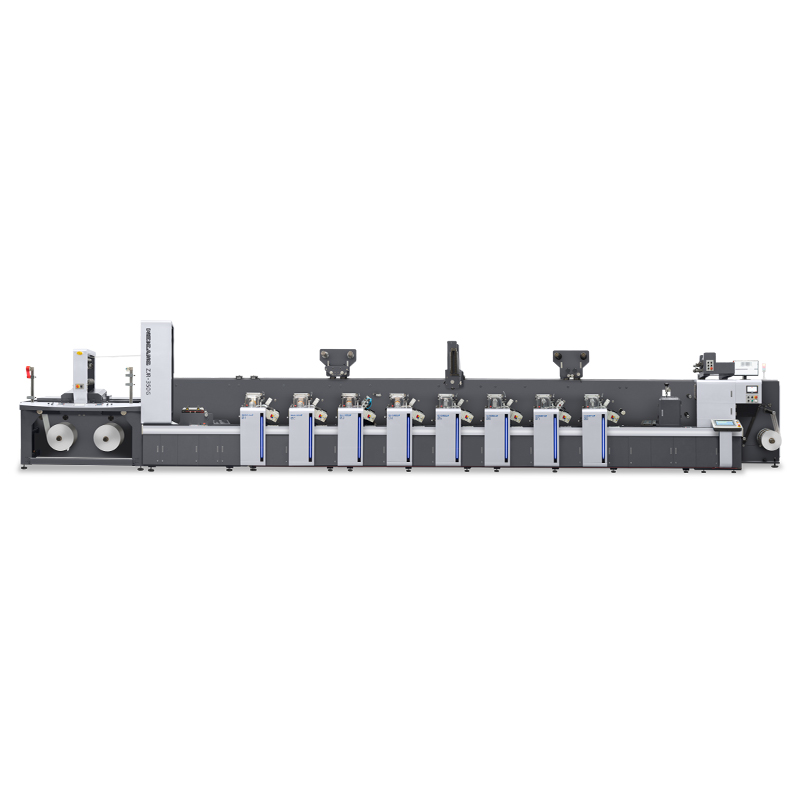
Buying a flexographic printing machine is a process-design decision, not a search for the largest speed figure. The correct press must reproduce the buyer's actual labels, films, papers, coatings, and finishing steps with controlled waste, documented safety, and support that still works after installation. A press that looks inexpensive at quotation stage can become costly if plates, sleeves, anilox rolls, UV lamps, chillers, inspection, training, and spare parts are treated as afterthoughts.
Learn More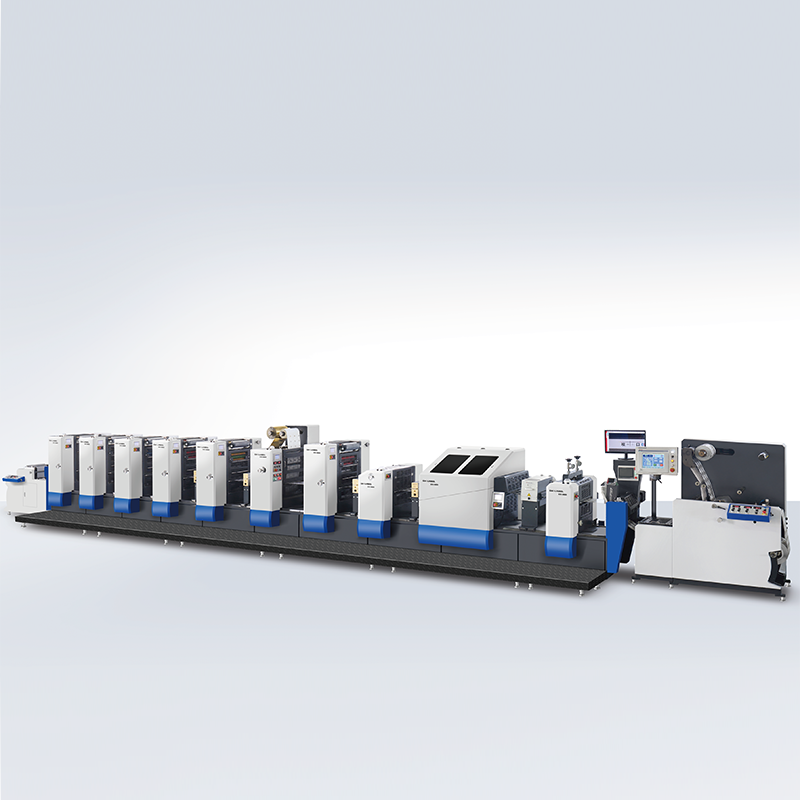
Choosing reliable offset printing presses for label printing is not a matter of finding one universally superior brand. It means matching a press architecture to the label format, substrate, run-length distribution, finishing route, operator capability, and service conditions at the plant. The credible shortlist includes Miyakoshi, Codimag, and Zhejiang Weigang Technology for roll-fed label production, plus Heidelberg and Koenig & Bauer for high-volume sheetfed wet-glue and in-mould labels. Published specifications confirm active configurations; they do not independently prove uptime or local response.
Learn More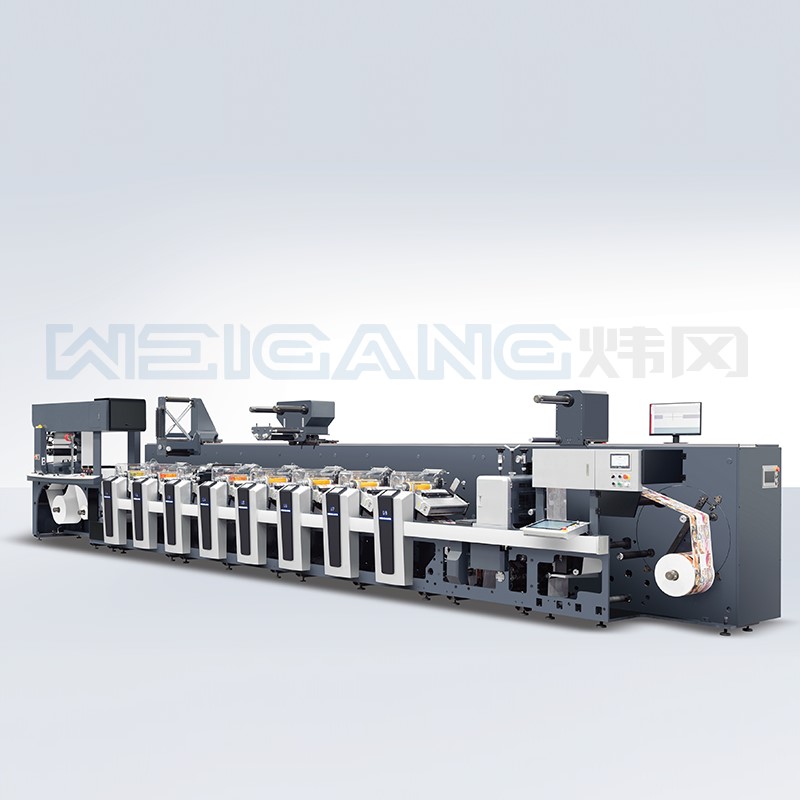
Buying flexographic printing equipment from China is a fit-and-proof decision, not a catalog-price decision. This guide helps procurement teams select flexographic printing equipment by separating the machine categories and defining the evidence required at each stage. The same phrase can refer to a narrow-web label press, a wide-web central-impression press for flexible packaging, a stack press for paper or film, or a press-converting line that adds coating, laminating, die cutting, inspection, and rewinding. Those routes have different substrates, speeds, changeover patterns, safety duties, and acceptance tests. A buyer who compares only color count and maximum speed can therefore select the wrong machine even when the supplier is technically competent.
Learn MoreLooking for partners worldwide
Stock code: 001256
We use cookies to enhance your browsing experience, serve personalized ads or content, and analyze our traffic. By clicking "Accept All", you consent to our use of cookies.
